

Bread has been a staple food for various cultures around the world, and the Far East is no exception. With a rich culinary heritage dating back thousands of years, the region boasts a diverse array of bread types that reflect the unique traditions, ingredients, and techniques of each country. In this article, we will delve into the fascinating history of bread in the Far East, tracing its origins, evolution, and significance in the region’s gastronomic culture.
- Ancient Origins:
The history of bread in the Far East can be traced back to ancient times. Archaeological evidence suggests that bread-making in China, India, and other Far Eastern countries dates as far back as 3000 BCE. During this period, grains such as wheat, barley, and millet were cultivated, leading to the development of various bread-making techniques.
- Chinese Steamed Buns:
One of the most iconic bread types in the Far East is the Chinese steamed bun, known as baozi or mantou. Historically, these buns were made from millet flour and served as a convenient, portable food for travelers and warriors. Over time, wheat flour replaced millet, and the technique of steaming became widespread. Today, steamed buns are an integral part of Chinese cuisine, available in a myriad of fillings and served at various meals.
- Indian Bread Traditions:
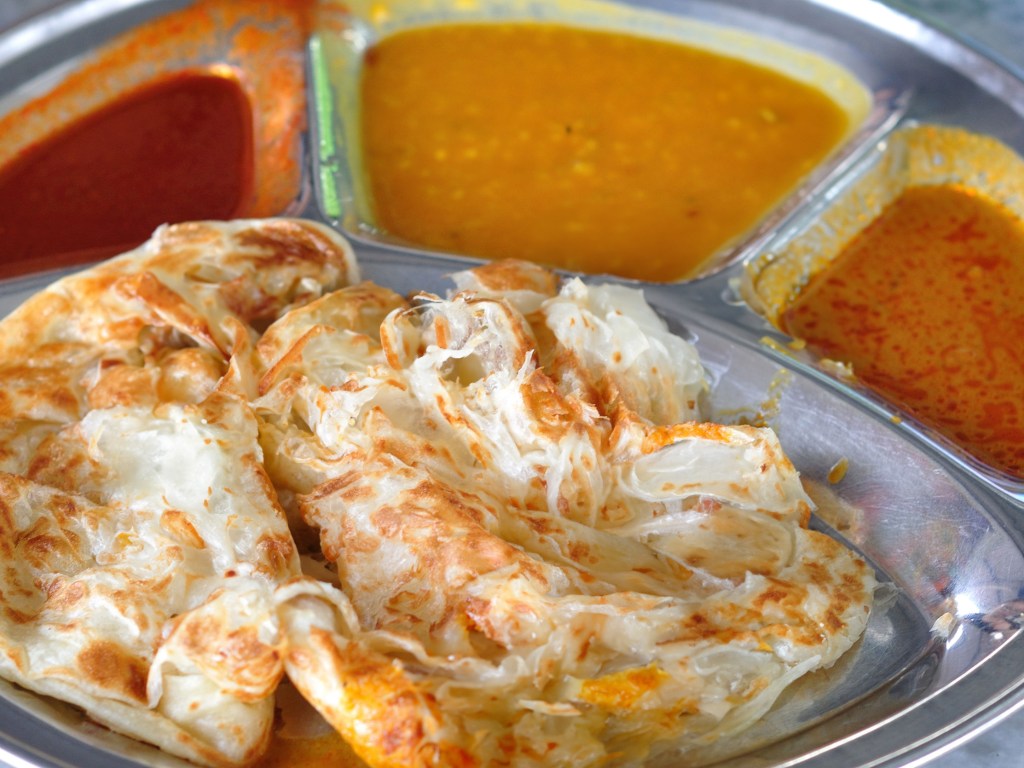
In India, bread holds cultural significance and is an essential part of the culinary tradition. Indian bread comes in various forms, with roti, naan, and paratha being some of the most popular types. Roti, made from whole wheat flour, has ancient origins and has been a staple in Indian households for centuries. Naan, with its Persian influence, is a leavened bread cooked in a tandoor, while paratha is a layered, flaky bread enriched with ghee (clarified butter). These bread varieties are enjoyed with a plethora of curries, vegetables, and lentils that form the heart of Indian cuisine.
- Japanese Influence:
While rice is the primary staple in Japan, the country has a unique bread culture influenced by European traders and missionaries. The introduction of bread-making techniques during the 16th century contributed to the creation of Japanese-style bread known as “pan.” Japanese bread tends to be softer and slightly sweeter than its Western counterparts, and it comes in various shapes and flavors, from simple milk bread to filled buns with savory and sweet fillings.
- Influence of Trade and Globalization:
As the Far East engaged in extensive trade with other regions, the culinary landscape evolved with the infusion of new ingredients and techniques. The Silk Road, in particular, played a significant role in the exchange of goods, including bread-making practices. From Central Asian flatbreads to Middle Eastern pita, the influence of these trade routes enriched Far East bread culture, giving rise to unique variations and combinations.
The history of bread in the Far East is a captivating tale of ancient roots, cultural influences, and culinary diversity. From the steamed buns of China to the flavorful bread varieties of India and the fusion of global influences in Japan, the region’s bread dishes have become an integral part of their respective culinary traditions. As the Far East continues to embrace its rich history while also embracing modern influences, one thing remains constant: the love for bread, which continues to bring people together, providing comfort, nourishment, and a connection to the past.



 rich Oriental