
In the bustling streets and vibrant markets of Malaysia, one dish reigns supreme as a testament to the nation’s culinary prowess and cultural fusion: Hokkien Mee. This beloved noodle dish, originating from the Hokkien Chinese community, has evolved over time to become a quintessential Malaysian comfort food that captures the essence of flavors, traditions, and the spirit of shared meals. Hokkien Mee is more than just a dish—it’s a savory journey that invites you to explore the rich tapestry of Malaysia’s culinary heritage. In this article, we dive into the origins, preparation, and cultural significance of Hokkien Mee—a dish that has won the hearts of locals and visitors alike.
Hokkien Mee’s journey began with Chinese immigrants who settled in Malaysia, specifically the Hokkien community. Over the years, this humble dish has evolved and adapted, incorporating local ingredients and culinary techniques to create a unique Malaysian rendition.
Hokkien Mee is characterized by its harmonious blend of flavors, combining the umami of seafood, the richness of broth, and the depth of aromatics. This tantalizing medley mirrors Malaysia’s multicultural landscape, where diverse influences converge to create something truly exceptional.
A Tale of Two Varieties:
Malaysia boasts two distinct variations of Hokkien Mee, each with its own regional charm:
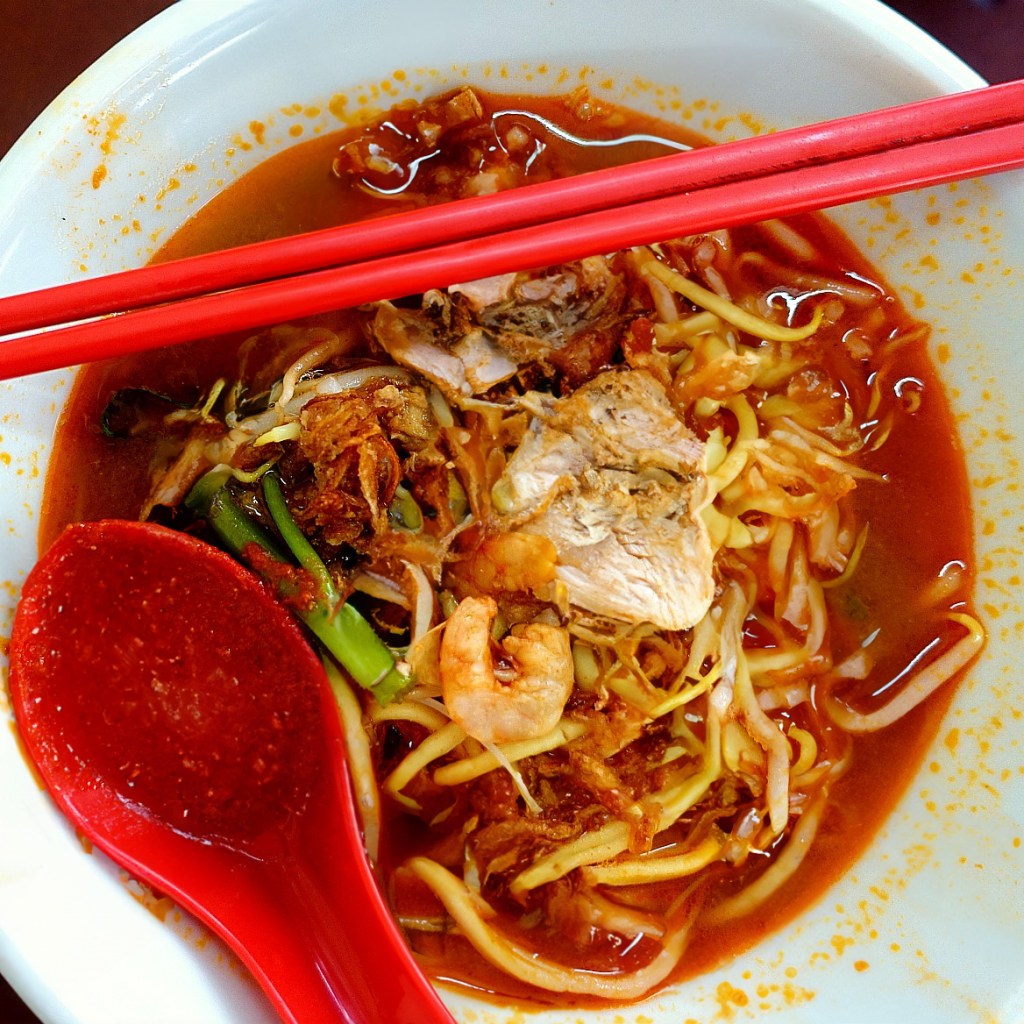
- Penang Hokkien Mee: Hailing from the culinary haven of Penang, this version features a stir-fried combination of thick yellow noodles and rice vermicelli, cooked in a fragrant prawn and pork broth. The dish is elevated by the addition of prawns, squid, fish cake, bean sprouts, and a drizzle of sambal for a hint of heat. Penang Hokkien Mee is a sensory masterpiece that captures the island’s rich culinary heritage.
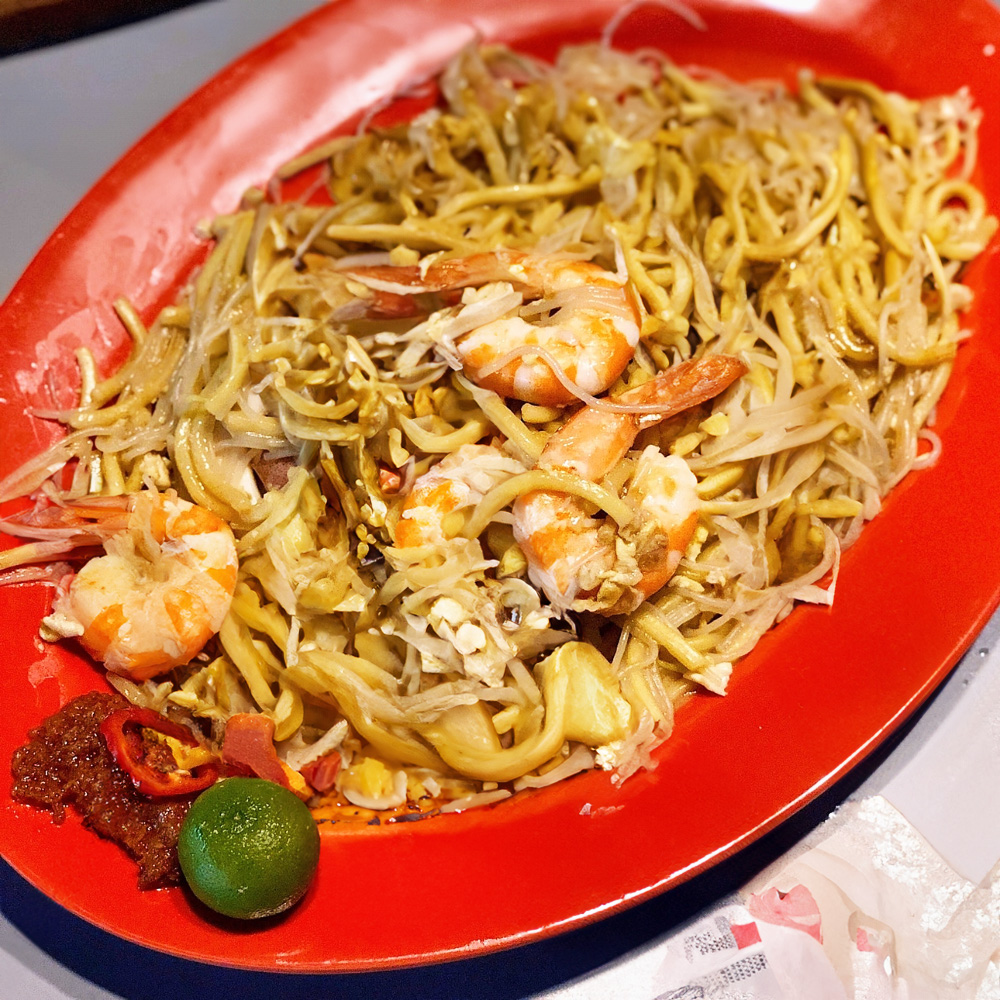
2. Singapore Hokkien Mee: Across the border in Singapore, the dish takes on a different form. Here, Hokkien Mee features stir-fried egg noodles and rice vermicelli, combined with prawns, squid, and a flavorful stock. The resulting dish is a harmonious balance of flavors and textures, with the noodles soaking up the essence of the seafood-infused broth.
Hokkien Mee’s popularity extends beyond its tantalizing flavors—it holds a special place in Malaysia’s cultural fabric. The dish is often enjoyed as a communal meal, bringing families and friends together to savor the savory delight.
While Hokkien Mee’s roots lie in Chinese culinary traditions, its evolution in Malaysia showcases the nation’s ability to embrace and celebrate cultural diversity. It’s a testament to the harmonious coexistence of different ethnic influences, creating a dish that is uniquely Malaysian.
As you savor the rich and satisfying flavors of Hokkien Mee, you’re not just enjoying a dish—you’re experiencing a slice of Malaysia’s culinary soul. Each mouthful is a journey through time and tradition, a reminder of the stories and histories that have shaped the nation’s culinary landscape.
Whether you’re slurping noodles from a hawker stall in Penang or savoring the savory broth at a kopitiam in Singapore, Hokkien Mee is an invitation to explore Malaysia’s culinary tapestry. It’s a reminder that food has the power to transcend borders, bring people together, and create cherished memories that last a lifetime.


 rich Oriental