
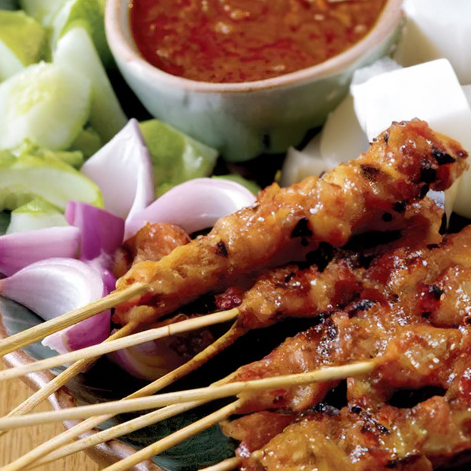
Satay, a beloved dish in the vibrant culinary tapestry of Southeast Asia, tantalizes the senses with its succulent skewered meats, aromatic marinades, and richly flavorful dipping sauces. Rooted in tradition yet celebrated with fervor across the region, satay is a testament to the art of grilling, marinating, and culinary creativity. In this article, we embark on a journey to explore the origins, preparation, and cultural significance of satay—a dish that encapsulates the essence of Southeast Asian flavors.
Origins and Culinary Heritage:
Satay’s origins are deeply rooted in the cultures of Indonesia, Malaysia, Thailand, and other Southeast Asian nations. While its exact origin story may vary across regions, the dish is widely cherished for its ability to bring communities together over the joy of sharing food. The term “satay” itself is believed to have come from the Indonesian word “sate,” which means skewered and grilled meat.
At its core, satay consists of marinated and skewered meat, grilled to perfection, and served with a variety of dipping sauces. The dish may feature a range of meats, including chicken, beef, pork, lamb, and even seafood. Each region has its own unique twists and flavor profiles, making satay a versatile and adaptable dish that reflects the diversity of Southeast Asian cuisine.

The Satay Experience:
Satay’s allure lies not only in its flavors but also in the sensory experience it offers. Here’s what makes satay a truly captivating culinary journey:
- Marinades: The heart of satay lies in the marinades, which infuse the meat with a symphony of flavors. A blend of ingredients such as lemongrass, turmeric, garlic, coriander, and cumin create a fragrant and aromatic base that enhances the natural taste of the meat.
- Grilling: The meats are skewered onto bamboo sticks and grilled over open flames, imparting a smoky char and a tender texture. The sizzling sound of meat meeting the grill is a prelude to the deliciousness that follows.
- Dipping Sauces: Satay is often accompanied by an array of dipping sauces that range from sweet and savory to spicy and tangy. Peanut sauce, a classic favorite, is made from ground peanuts, coconut milk, and spices. Other dips may include chili sauce, soy sauce, and even a refreshing cucumber-onion relish.
- Aromatic Rice: In some regions, satay is served with aromatic rice cakes known as “ketupat” or “lontong,” which absorb the rich flavors of the dish.

Satay holds a special place in Southeast Asian cultures as a dish that brings people together. Often enjoyed at social gatherings, street food stalls, and family celebrations, satay embodies the spirit of community, sharing, and togetherness. It’s a dish that transcends boundaries and unites people through a common appreciation for flavorful cuisine.
While satay has humble origins as a street food favorite, it has earned its place on international menus and culinary awards. The dish’s ability to showcase the depth and complexity of Southeast Asian flavors has made it a sought-after experience for food enthusiasts around the world.
Satay is more than just a dish; it’s a culinary journey through the heart of Southeast Asia’s diverse cultures. Each bite is a reminder of the region’s ability to transform simple ingredients into a masterpiece of taste and texture. Whether enjoyed as a street food delight, a family meal, or a symbol of cultural heritage, satay invites you to savor the artistry of grilling and the unity that comes with sharing a culinary masterpiece.


 rich Oriental