
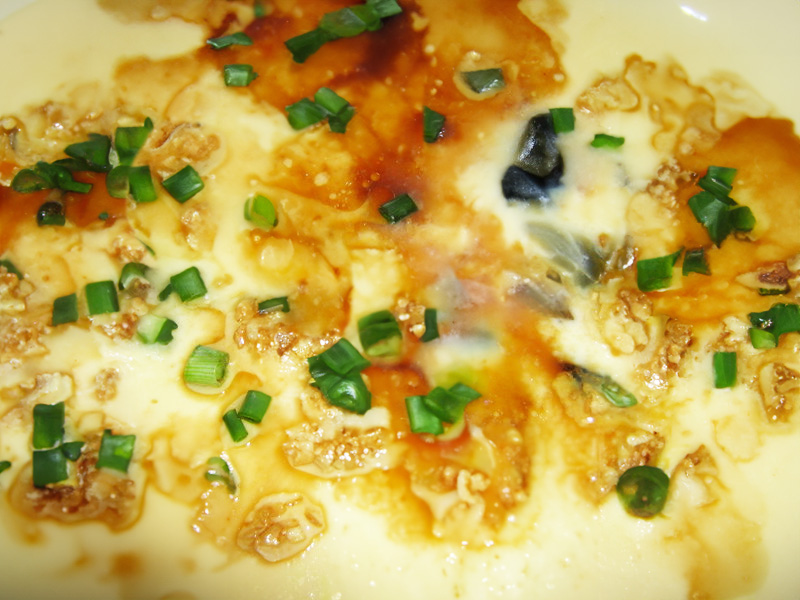
Steamed egg, often referred to as “chawanmushi” in Japanese cuisine and “douhua” in Chinese cuisine, is a simple yet elegant dish that exemplifies the art of transforming humble ingredients into a culinary masterpiece. With its smooth and delicate texture, steamed egg is a comfort food enjoyed across various cultures, capturing the essence of comfort and nourishment in each velvety spoonful. In this article, we delve into the world of steamed egg, exploring its origins, preparation, and the unique qualities that make it a favorite among food enthusiasts.
The Art of Steamed Egg:
Steamed egg is a dish that harmoniously blends eggs, liquid (often broth or water), and sometimes other flavoring agents to create a custard-like texture that is both comforting and satisfying. The key to achieving the perfect consistency lies in the technique of gentle steaming, which ensures that the mixture sets into a silky-smooth custard without becoming overly firm or rubbery.

The Versatility of Steamed Egg:
Steamed egg serves as a versatile canvas for a wide range of flavor combinations. Its mild taste provides the perfect backdrop for various ingredients, allowing culinary creatives to experiment with both savory and sweet variations. Some common additions include minced meat, seafood, vegetables, mushrooms, and even ingredients like salted duck egg yolks or century eggs to add a unique twist.
Health Benefits of Steamed Egg:
- Protein-Packed Goodness: Eggs, the primary ingredient in steamed egg, are an excellent source of high-quality protein, essential for muscle repair and growth.
- Nutrient-Rich Profile: Eggs are also rich in essential nutrients such as vitamins A, D, E, and B-complex vitamins, as well as minerals like iron and zinc.
- Easy Digestion: The gentle steaming process of making the dish ensures that the eggs remain soft and delicate, making them easier to digest, especially for those with sensitive stomachs.
- Low in Calories: Steamed egg is a low-calorie dish, making it a suitable option for those looking to manage their weight without compromising on flavor.
Preparation and Cooking:
Creating a perfect batch of steamed egg requires attention to detail and a gentle touch. Here’s a basic recipe to get you started:
Ingredients:
- 3 large eggs
- 1 cup of chicken or vegetable broth (can also use water)
- Salt and white pepper to taste
- Optional: Minced meat, seafood, vegetables, mushrooms, soy sauce, sesame oil
Instructions:
- Whisk the Eggs: In a mixing bowl, whisk the eggs until well combined. You can use a fork or chopsticks for this step.
- Add Liquid: Gradually add the chicken or vegetable broth to the whisked eggs while stirring gently. The liquid-to-egg ratio can vary based on your desired consistency—less liquid for a firmer texture and more liquid for a softer custard.
- Season: Add a pinch of salt and a dash of white pepper to the mixture. Adjust the seasoning to your taste preference.
- Strain (Optional): Strain the egg mixture through a fine-mesh sieve to remove any air bubbles, ensuring a smooth custard texture.
- Steam: Pour the egg mixture into individual serving dishes or a larger steaming dish. Cover with a lid or plastic wrap to prevent water from dripping onto the custard. Steam the dishes over gentle heat for about 10-15 minutes, depending on the size of the dish and desired texture.
- Test for Doneness: To check if the steamed egg is ready, gently shake the dish. The custard should have a slight jiggle but be set in the middle.
- Garnish and Serve: Once cooked, remove the steamed egg from the steamer and garnish with minced scallions, a drizzle of soy sauce, or a touch of sesame oil. Serve the dish hot as an appetizer or a light meal.
Steamed egg is more than just a dish; it’s a culinary journey that invites you to savor the simplicity of ingredients and the finesse of preparation. With its smooth texture, delicate flavors, and the potential for creative additions, steamed egg continues to captivate both home cooks and professional chefs around the world. Whether enjoyed on its own or as part of a larger meal, this timeless comfort food is a reminder that the simplest ingredients can lead to the most extraordinary culinary experiences.


 rich Oriental