

Salted egg, a preserved delicacy with centuries of history, has become a beloved ingredient in various cuisines across Asia and beyond. This time-honored culinary treasure is created through a traditional preservation process that infuses fresh duck or chicken eggs with the richness of salt, transforming them into a unique and delectable treat.
The art of making salted egg is rooted in Asian culinary traditions, where preserving food was essential for survival in ancient times. The preservation process involves coating the eggs with a mixture of salt, sometimes combined with clay or other seasonings, before wrapping them in dampened salt or clay to create an airtight seal. This technique allows the salt to penetrate the eggshell, infusing both the egg white and yolk with its distinctive flavor.
The end result is a visual and culinary delight. When cracked open, salted eggs reveal a translucent egg white with a delicate jelly-like texture, while the yolk turns into a creamy, golden orb. The balance of saltiness and umami in the egg creates a flavor profile that is both indulgent and addictive.
In Asian cultures, salted eggs have been an integral part of many traditional dishes. In Chinese cuisine, they are often used to add depth and richness to a variety of recipes. Salted egg prawns, salted egg crab, and salted egg chicken are just a few examples of mouthwatering dishes that feature the unique taste of salted eggs. In Filipino cuisine, salted eggs are famously paired with fresh tomatoes and steamed rice, creating a simple yet satisfying breakfast known as “Itlog na Maalat with Kamatis at Kanin.”

Beyond traditional dishes, the allure of salted egg has inspired modern culinary explorations. Its rich, salty flavor has found its way into contemporary fusion cuisine, elevating the taste of everything from pasta and fries to ice cream and pastries. The versatility of salted eggs in both sweet and savory recipes has captivated the imagination of chefs and food enthusiasts around the world.
In recent years, the popularity of salted egg has soared, leading to an explosion of salted egg-flavored snacks and products in the market. Salted egg chips, salted egg fish skin, and salted egg mooncakes are just a few examples of the creative ways this delicacy has been reimagined to suit modern tastes.
While the allure of salted egg continues to grow, it is essential to appreciate the traditional craftsmanship behind its production. The preservation process is an art passed down through generations, preserving the flavors of the past for future generations to savor and enjoy.
As the culinary world continues to evolve, salted egg remains a timeless and cherished ingredient that captivates our taste buds and ignites our passion for gastronomic adventures. Its unique taste and rich history make salted egg a culinary gem that has stood the test of time, offering a delicious and nostalgic journey into the heart of Asian cuisine.


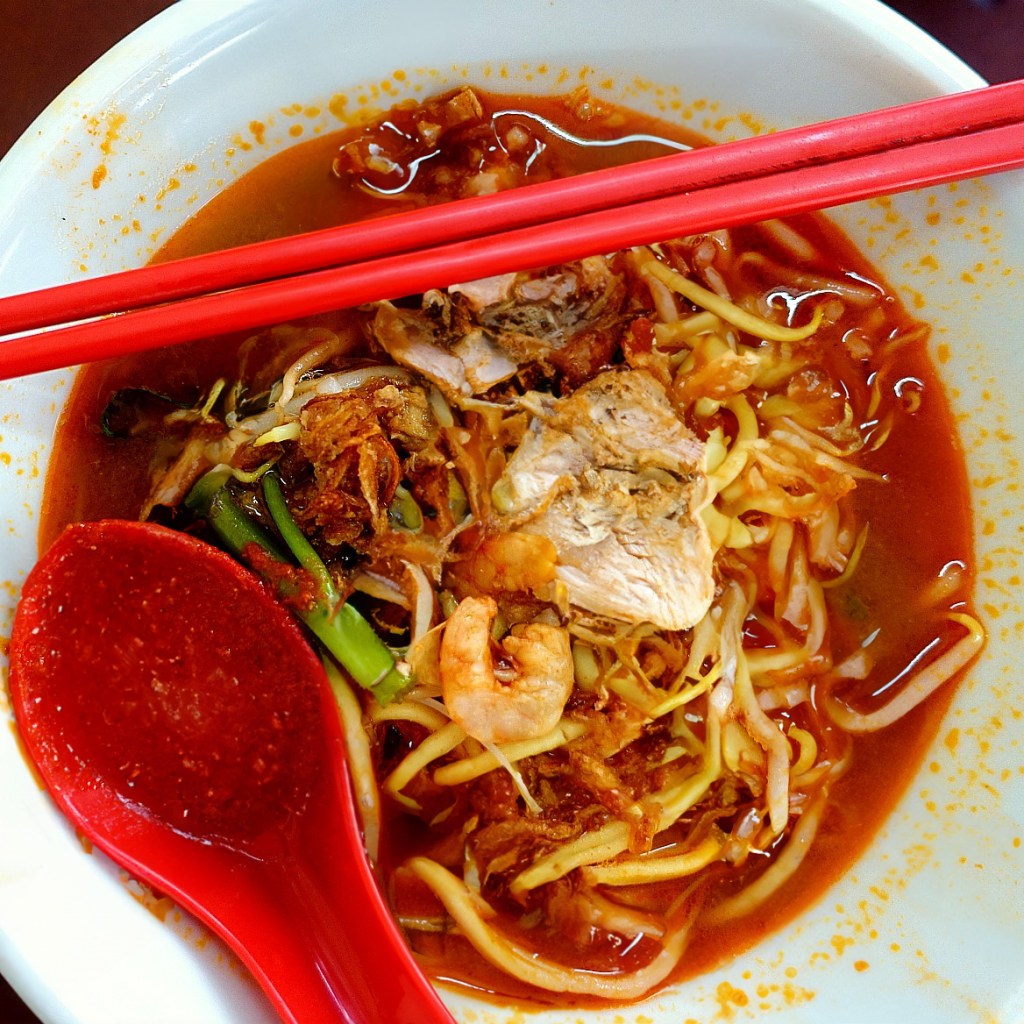
 rich Oriental