

Malaysia, a country known for its rich cultural diversity, offers a plethora of gastronomic delights that capture the essence of its multicultural heritage. Among these treasures is the beloved dish known as Malaysia Popiah. A harmonious blend of flavors, textures, and traditions, Malaysia Popiah is a culinary masterpiece that embodies the spirit of unity and creativity found in the nation’s melting pot of cultures. In this article, we delve into the origins, preparation, and cultural significance of Malaysia Popiah—a dish that truly celebrates the country’s culinary tapestry.
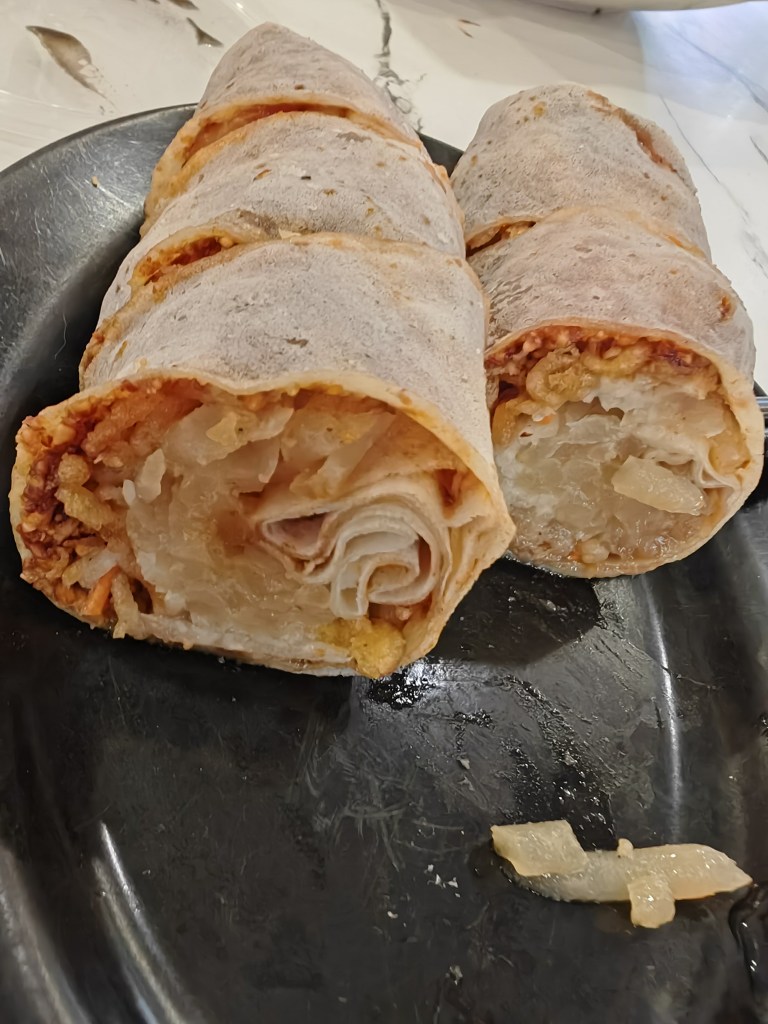
A Glimpse into the Hokkien Culture:
The term “popiah” traces its roots back to Hokkien, a Chinese dialect widely spoken in Malaysia. It refers to a spring roll-like dish that consists of a soft, thin wrapper filled with an array of ingredients. While the concept of popiah has its origins in Chinese cuisine, Malaysia Popiah has evolved into a unique creation that incorporates local flavors, ingredients, and influences.
Malaysia’s cultural diversity is evident in its popiah. Each region and community has contributed its own variations, resulting in a medley of flavors and techniques that highlight the country’s multicultural culinary landscape.
Malaysia Popiah is a sensory delight that engages the palate with its diverse textures and flavors. The dish features a harmonious combination of the following elements:
- Soft Wrapper: The heart of Malaysia Popiah is the soft, delicate wrapper made from wheat flour or rice flour. It serves as the vessel for the flavorful fillings.
- Filling Varieties: The fillings are where Malaysia Popiah truly shines. The traditional version often includes a mixture of cooked turnip (jicama), carrots, bean sprouts, French beans, tofu, and sometimes minced meat or shrimp. The filling is stir-fried with a blend of aromatic spices, creating a symphony of savory and slightly sweet flavors.
- Sauces and Condiments: What elevates Malaysia Popiah are the sauces and condiments. The dish is typically drizzled with hoisin sauce for sweetness, chili sauce for a kick of heat, and a sprinkling of crushed peanuts for added texture and nuttiness.
- Garnishes: Fresh herbs like cilantro and mint, along with crispy shallots, provide a burst of freshness and a finishing touch to the dish.
Cultural Significance and Unity:
Beyond its culinary appeal, Malaysia Popiah holds cultural significance as a dish that represents Malaysia’s multicultural identity. The blending of ingredients and techniques from various communities symbolizes unity and harmony in a nation that celebrates its diversity.
Malaysia Popiah is not only enjoyed as a delicious treat but is also an embodiment of cultural exchange, where traditions are shared, adapted, and embraced by all Malaysians.
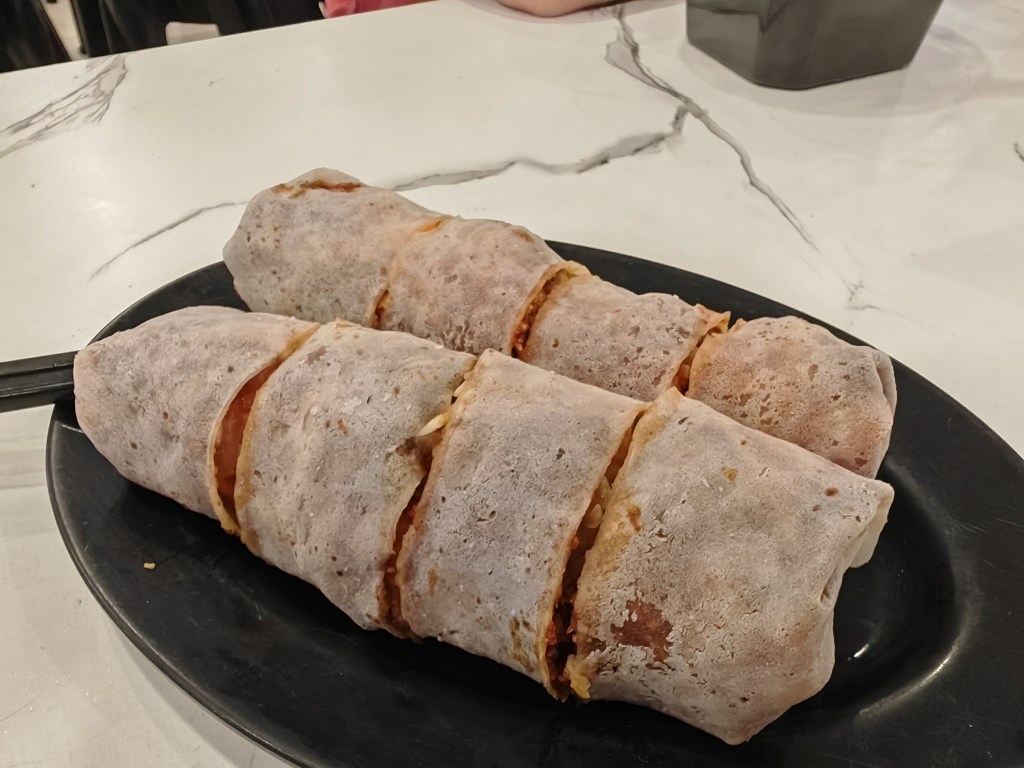
Embracing Tradition and Creativity:
Malaysia Popiah stands as a testament to the country’s ability to seamlessly blend tradition with innovation. The dish’s evolution from its Chinese roots to a unique Malaysian creation demonstrates the nation’s culinary ingenuity and willingness to experiment with flavors and techniques.
Whether enjoyed as a street food snack, a cherished family recipe, or a culinary journey through Malaysia’s cultural heritage, Malaysia Popiah invites you to savor the best of both worlds—tradition and innovation—in every delectable bite.


 rich Oriental