In the realm of Chinese cuisine, the unassuming Pau (包) takes center stage as a culinary treasure that has graced tables for generations. These soft, fluffy, and artfully crafted steamed buns are more than just a dish; they’re a reflection of China’s rich history, culture, and the artistry of culinary tradition. In this article, we’ll delve into the world of Pau, exploring its origins, cultural significance, variations, and the reasons behind its enduring popularity.
Origins and Significance of Pau
Pau, known as “bao” in Mandarin, traces its roots back to ancient China. The exact origins of Pau are somewhat shrouded in history, but it’s believed that these steamed buns have been enjoyed for centuries across different regions of China. The term “Pau” itself translates to “wrap” or “bundle,” which perfectly encapsulates the culinary technique that makes these buns so special.
Beyond their deliciousness, Pau holds cultural significance that reflects the values of Chinese tradition. Historically, Pau was offered during festive occasions, family gatherings, and ancestral worship ceremonies as a symbol of respect and unity. The act of crafting and sharing Pau was a gesture of togetherness and harmony.
The Art of Crafting Pau | Variations: A Culinary Kaleidoscope
The magic of Pau lies in the skillful hands of the chefs who transform simple ingredients into delicate masterpieces. Crafting Pau requires a balanced combination of flour, water, yeast, and often a touch of sugar for sweetness. The dough is kneaded to perfection, left to rise until it doubles in size, and then shaped into various forms before the steaming process begins.
Pau’s versatility shines through in the array of variations that cater to diverse palates and preferences:

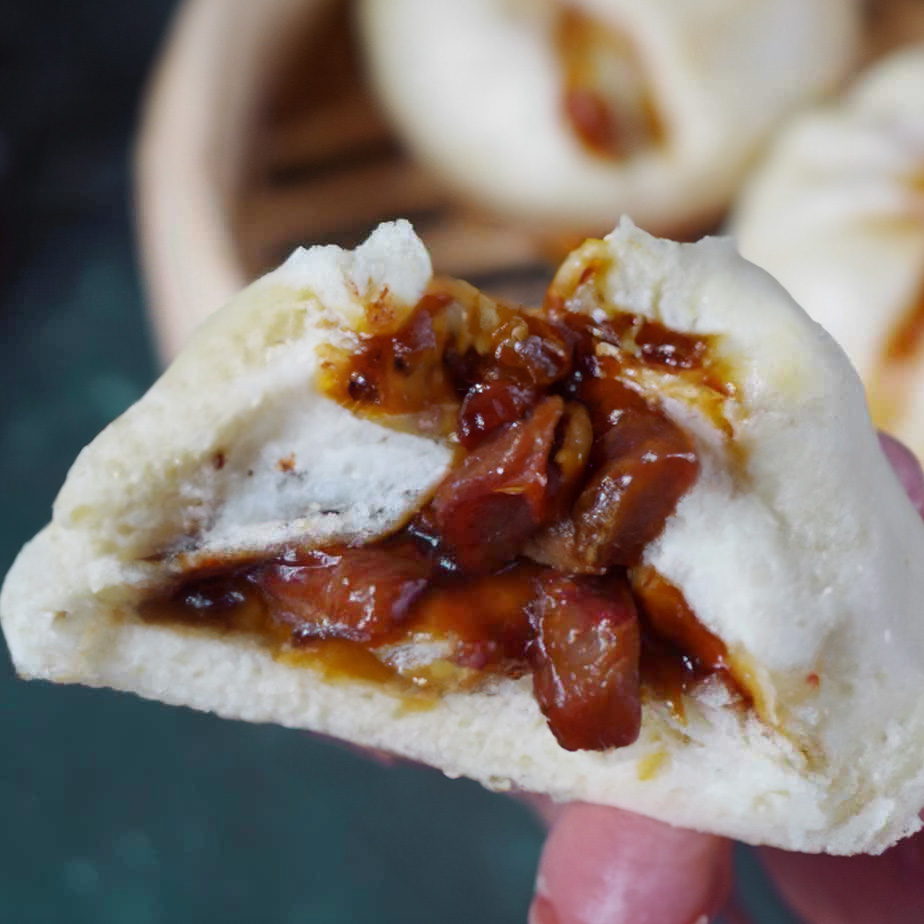
- Char Siu Pau: One of the most iconic Pau variations, Char Siu Pau features succulent barbecued pork encased in a tender, slightly sweet bun. The contrast of flavors and textures creates a harmonious bite.
- Lotus Leaf Pau: This variation takes inspiration from the traditional Chinese zongzi (sticky rice dumpling) and features a fragrant lotus leaf wrapped around the bun, infusing it with a unique aroma.
- Red Bean Pau: For those with a sweet tooth, Red Bean Pau offers a delightful combination of soft bun and sweet red bean paste filling.
- Salted Egg Yolk Pau: A modern favorite, this variation features a rich and savory salted egg yolk filling that beautifully contrasts with the steamed bun.
- Vegetarian Pau: Catering to dietary preferences, Vegetarian Pau often contains fillings like mushrooms, vegetables, and tofu, creating a satisfying and flavorful option.

Cultural Adaptability and Global Influence of Pau
Just as Pau has adapted within China, it has also journeyed beyond its borders to find its place on international menus. Chinese communities around the world have shared this culinary treasure, introducing the delights of Pau to new cultures and taste buds.
In today’s fast-paced world, the convenience of frozen Pau has made it possible for households to enjoy this beloved dish without the need for elaborate preparation. Restaurants and food vendors also continue to honor the tradition of crafting Pau by hand, ensuring that the artistry and flavors remain intact.

Pau is more than just a steamed bun; it’s a symbol of connection, heritage, and the love for culinary craftsmanship. With each bite, you’re savoring a piece of China’s cultural tapestry—a testament to the enduring power of food to create memories, foster togetherness, and carry traditions across generations. Whether enjoyed as a simple snack or a centerpiece of a feast, Pau encapsulates the essence of China’s culinary heritage, and its journey continues to inspire both chefs and food enthusiasts worldwide.

 rich Oriental