

- A claypot, also known as a clay pot or earthenware pot, is a cooking vessel made from clay or ceramic material.
- Claypots have been used for centuries in various cultures around the world for cooking and food preparation.
- The use of claypots dates back to ancient civilizations, including the Greeks, Romans, Egyptians, and Chinese.
- Claypots are known for their ability to distribute heat evenly, allowing food to cook slowly and retain its natural flavors.
- The porous nature of claypots helps to lock in moisture, resulting in tender and flavorful dishes.
- Different regions have variations of claypots, often reflecting the local cooking styles and culinary traditions.
- Claypots are popular in Asian cuisines, especially in countries like China, Malaysia, Vietnam, and Thailand.
- One of the well-known dishes cooked in a claypot is claypot rice, a Chinese dish made with rice, meat, and vegetables.
- Claypots are versatile and can be used to prepare a wide range of dishes, including stews, soups, curries, and even desserts.
- Traditional claypots are often handmade by skilled artisans, and the crafting process involves shaping and firing the clay to create a durable and functional cooking vessel.
- Claypots are suitable for both stovetop and oven use, making them a convenient tool for home cooks.
- The use of claypots imparts a unique earthy flavor to the food, enhancing the taste of certain dishes.
- Some claypots come with a lid, which helps to seal in the flavors and keep the food moist during cooking.
- Cooking with claypots is considered a healthier option as it requires minimal oil or fat to prevent sticking.
- Claypots are often used to prepare traditional dishes during festive occasions and cultural celebrations.
- In some cultures, claypots are used as serving vessels, allowing food to be served directly from the pot at the table.
- Claypots are relatively affordable and can be found in kitchenware stores and markets worldwide.
- To ensure the longevity of a claypot, it is essential to follow proper care and seasoning instructions, such as soaking the pot in water before its first use.
- The use of claypots is not limited to cooking; they are also utilized for storing food and water in some communities.
- Cooking with claypots is often associated with a sense of tradition, connecting people to their cultural heritage and culinary roots.


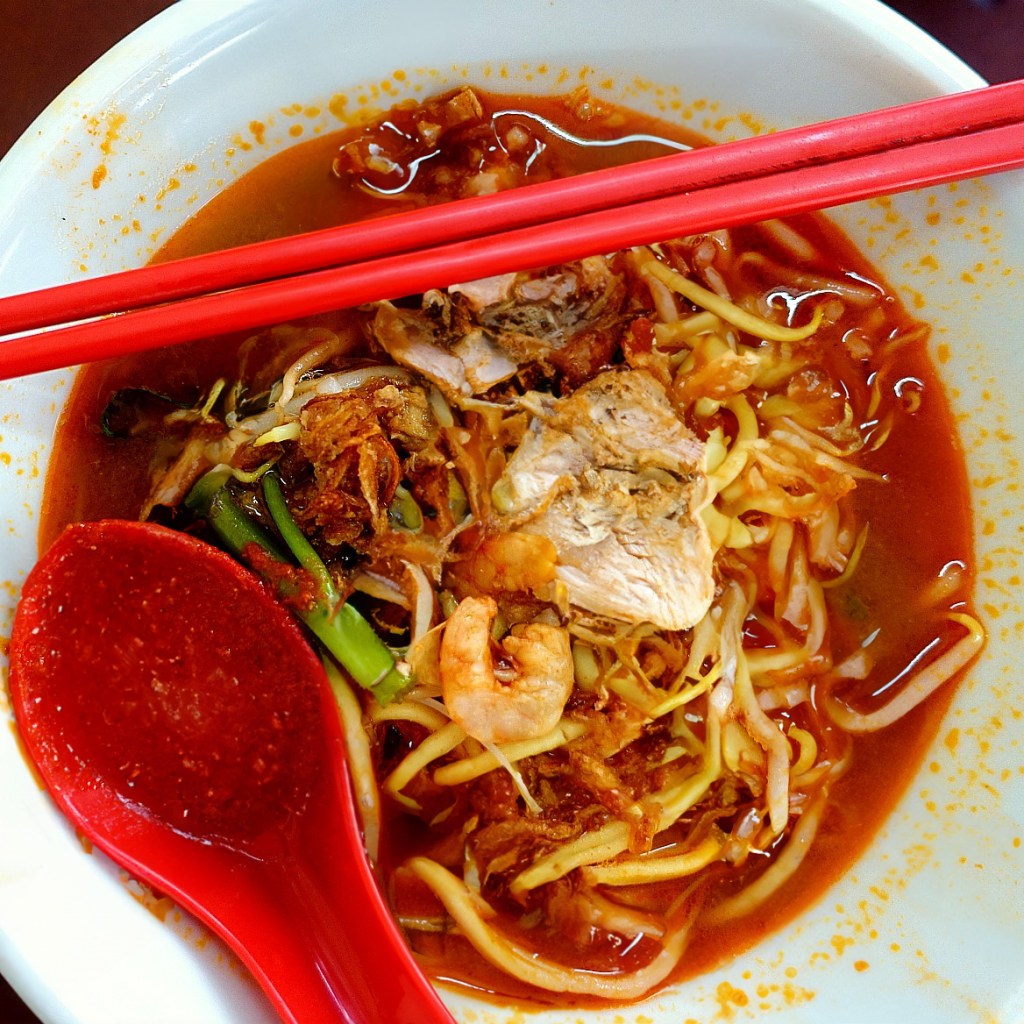
 rich Oriental